Why You Should Plant Cover Crops: The Foundation of Sustainable Agriculture and Gardening
In an era where soil degradation is a pressing global concern, understanding why you should plant cover crops has become more critical than ever. These unassuming plants, often overlooked in favor of cash crops, are the unsung heroes working beneath the surface to rejuvenate our planet's most vital resource: soil. From large-scale agricultural operations to backyard vegetable patches, the benefits of integrating cover crops into your planting rotation are profound, leading to healthier soil, increased yields, and a more resilient ecosystem.
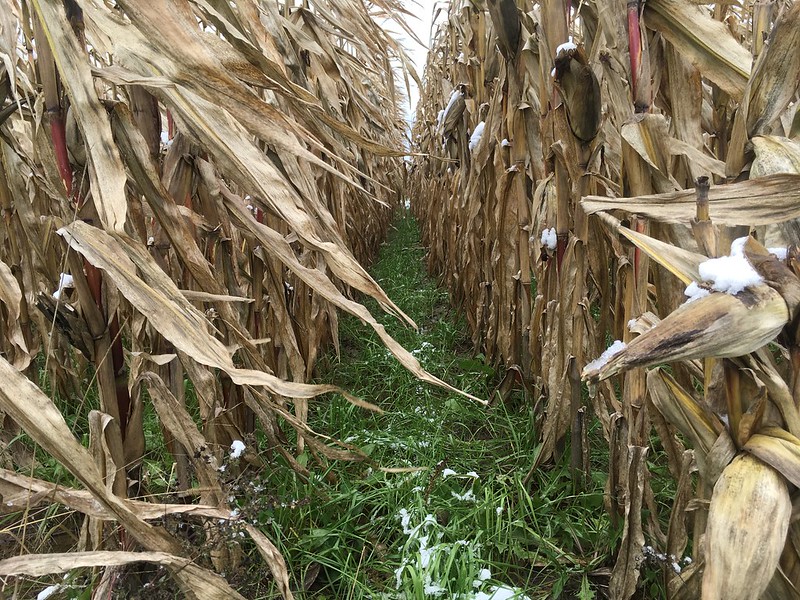
A cover crop is any plant grown primarily to protect or improve the soil, rather than for direct harvest as a cash crop. This broad definition encompasses a diverse range of species, each offering unique advantages. Whether you're a seasoned farmer or a budding gardener, recognizing the transformative power of cover crops is the first step toward cultivating a more sustainable and productive growing environment.
Revitalizing Your Soil's Foundation: Organic Matter & Structure
One of the most compelling reasons why you should plant cover crops revolves around their unparalleled ability to enhance soil organic matter (SOM) and improve soil structure. Decades of conventional, high-tillage farming practices have depleted natural SOM levels, leading to compacted, lifeless soil. Cover crops offer a powerful antidote to this decline.
- Boosting Soil Organic Matter: As cover crops grow, they capture carbon from the atmosphere and funnel it into the soil through their roots and decaying plant material. This continuous contribution of organic matter helps reverse the downward trend. For every 1% increase in soil organic matter, the water-holding capacity of the top six inches of soil can increase by an astounding 20,000 gallons per acre, or roughly 6%. This enhanced water retention is a game-changer, especially in drought-prone regions, making your soil more resilient and your crops less dependent on irrigation.
- Improving Soil Structure: The intricate root systems of cover crops act as natural tilling agents, breaking up compacted layers and creating a network of pores and channels within the soil. These pathways improve aeration, allowing oxygen to reach roots and beneficial microorganisms, and significantly increase water infiltration. Better drainage means less standing water after heavy rains, reducing the risk of waterlogging and promoting healthier root development. This physical improvement in soil structure leads to a more stable and fertile environment for subsequent cash crops.
The long-term impact of improved SOM and structure is a healthier soil microbiome, teeming with beneficial bacteria and fungi. These microscopic allies play crucial roles in nutrient cycling and plant disease suppression, establishing a robust foundation for all your planting endeavors. To delve deeper into how these processes work, explore Unlock Soil Secrets: How Cover Crops Boost Nitrogen & Water Retention.
A Nutrient Powerhouse: Feeding Your Soil Naturally
Another primary answer to the question of why you should plant cover crops lies in their incredible capacity for nutrient management and enrichment. They act as living fertilizers, reducing the need for synthetic inputs and fostering a self-sustaining ecosystem.
The Magic of Nitrogen Fixation
When discussing nutrient improvement, legumes often come to mind. These plants, belonging to the Fabaceae family, are truly unique due to their ability to "fix nitrogen." This process involves a symbiotic relationship with specific nitrogen-fixing bacteria (such as Rhizobium species) that reside in special nodules on their roots. Atmospheric nitrogen (N2), which is unusable by plants in its gaseous form, is converted by these bacteria into reactive compounds like nitrates, nitrites, and ammonia – forms that plants can readily absorb and utilize for growth.
Essentially, legumes act as natural nitrogen factories, harvesting nitrogen from the air and depositing it directly into the soil. When these cover crops are terminated and decompose, this fixed nitrogen becomes available to the following cash crop, significantly reducing or even eliminating the need for synthetic nitrogen fertilizers. This not only saves money but also minimizes environmental impact by preventing nitrogen runoff into waterways.
Beyond Nitrogen: Unlocking Other Essential Nutrients
While nitrogen fixation is a standout benefit, cover crops do much more. Their extensive root systems can scavenge for other essential nutrients, such as phosphorus and potassium, that might have leached deeper into the soil profile, making them available to subsequent crops. As the plant material breaks down, these "sequestered" nutrients are slowly released back into the topsoil, ensuring a steady supply for future growth. Furthermore, cover crops create a living blanket that prevents nutrient leaching caused by heavy rainfall, keeping valuable resources within your soil where they belong.
The Unsung Heroes of Erosion Control: Protecting Your Valuable Topsoil
Soil erosion, whether by water or wind, is a silent killer of agricultural productivity. It strips away the most fertile layer of soil, carrying with it valuable nutrients and organic matter. This is perhaps one of the most immediate and visible answers to why you should plant cover crops.
- Water Erosion: Cover crops protect the soil surface in multiple ways. Their canopy intercepts raindrops, reducing their erosive impact. The dense root systems bind soil particles together, making them less susceptible to being washed away. Moreover, as discussed, cover crops significantly increase water infiltration. When water soaks into the ground rather than running off, the risk of sheet, rill, and gully erosion is drastically reduced. The above-ground biomass also slows the flow of water across the landscape, allowing more time for infiltration and minimizing soil particle displacement.
- Wind Erosion: Bare soil is highly vulnerable to wind erosion, especially in dry, open fields. A standing cover crop provides a physical barrier, shielding the soil surface from the relentless force of the wind. The plant residue left after termination continues to offer protection, creating a stable environment where soil particles are less likely to be picked up and carried away. By preventing erosion, cover crops help maintain the integrity and fertility of your topsoil, safeguarding your most important agricultural asset.
Beyond the Big Three: Weed Suppression, Pest Management & Biodiversity
While soil improvement, nutrient enhancement, and erosion control are the cornerstone benefits, why you should plant cover crops extends even further into integrated pest management and fostering biodiversity.
- Natural Weed Suppression: Cover crops act as a living mulch, outcompeting weeds for sunlight, water, and nutrients. Their dense canopy shades the soil, preventing weed seeds from germinating, while their vigorous growth can physically suppress emerging weeds. Some cover crops even release natural compounds (allelopathy) that inhibit weed growth, providing a chemical-free approach to weed control.
- Pest and Disease Management: Strategic use of cover crops can disrupt pest cycles and reduce disease pressure. By providing alternative hosts or creating physical barriers, they can deter specific pests. Furthermore, a diverse cover crop mix can attract beneficial insects, such as pollinators and predatory insects that feed on common crop pests, contributing to natural pest control. A healthy, diverse soil microbiome, encouraged by cover crops, is also more resilient to plant diseases.
- Boosting Biodiversity: Planting cover crops introduces a greater variety of plant life to your fields or garden, which in turn supports a wider array of beneficial insects, microorganisms, and even wildlife. This increased biodiversity creates a more balanced and resilient ecosystem, enhancing the overall health and productivity of your land.
Practical Tips for Integrating Cover Crops
Ready to experience these benefits firsthand? Here are a few actionable tips:
- Choose Wisely: Select cover crops based on your specific goals and local climate. Legumes (clover, vetch) for nitrogen; grasses (rye, oats) for biomass and erosion control; brassicas (radishes, turnips) for breaking up compaction.
- Timing is Key: Plant cover crops after your main harvest, allowing them enough time to establish before winter, or in the spring before planting your summer crops.
- Termination Methods: Decide how you'll terminate your cover crop – mowing, rolling, tilling, or allowing it to winterkill. Consider no-till methods to maximize soil health benefits.
- Start Small: If you're new to cover crops, begin with a small area or a simple mix to observe their impact before expanding.
For more detailed guidance on how different growers can benefit, refer to Gardeners & Farmers: Transform Your Soil Health with Cover Crops.
Conclusion: A Small Investment for Monumental Returns
The question of why you should plant cover crops isn't just about temporary improvements; it's about investing in the long-term health and productivity of your land. By enriching soil organic matter, enhancing nutrient availability, preventing erosion, suppressing weeds, and fostering biodiversity, cover crops lay the groundwork for a more sustainable, resilient, and profitable future. Whether you manage vast fields or a compact garden, incorporating these green solutions is a simple yet powerful step towards cultivating not just crops, but a healthier planet.
