Unveiling the Power of Cover Crops for a Thriving Garden and Farm
In the quest for healthier soil, more robust plants, and sustainable agricultural practices, many growers are turning to a time-honored yet often underutilized solution: cover crops. If you're pondering why you should plant cover crops, prepare to unlock a realm of benefits that can transform your land, boost your yields, and foster a more resilient ecosystem. From professional farmers managing vast acres to home gardeners nurturing small plots, the principles of soil health remain universally critical, and cover crops are a fundamental tool in achieving it.
Modern farming, while efficient, has often led to a decline in soil vitality, depleting precious organic matter and leaving ground vulnerable. Cover crops offer a powerful, natural antidote, working tirelessly beneath and above the surface to restore balance. They are more than just temporary greenery; they are active participants in a complex biological dance that revitalizes the very foundation of plant life.
What Exactly Are Cover Crops, Anyway?
At its heart, a cover crop is any plant strategically grown not for direct harvest, but for the profound benefits it confers upon the soil and subsequent cash crops. Think of them as living mulches, green manures, or the unsung heroes of your soil ecosystem. Unlike cash crops, which are focused on producing a yield for consumption or sale, cover crops are specifically cultivated to improve soil health, control pests and diseases, suppress weeds, and manage soil erosion. By intentionally introducing a cover crop into your rotation, you're making a direct investment in the long-term health and productivity of your land.
While many commercial farmers have long understood the intricate value of cover crops, the concept is gaining significant traction among home gardeners. The same principles that lead to improved yields on a large farm can help a gardener achieve more vibrant flowers, a more bountiful vegetable patch, and significantly less work battling weeds and poor soil structure. For a deeper dive into their overarching benefits, explore our article on Why Plant Cover Crops? Improve Soil, Boost Yields & Stop Erosion.
The Core Benefits: Supercharging Nitrogen & Water Retention
Among the multitude of reasons why you should plant cover crops, their unparalleled ability to enhance soil nitrogen levels and dramatically improve water retention stands out as a game-changer for any growing operation.
Nitrogen Fixation: A Natural Fertility Boost
One of the most celebrated contributions of cover crops, particularly legumes, is their extraordinary capacity for nitrogen fixation. Legumes, such as clovers, vetch, and alfalfa, possess a unique symbiotic relationship with specialized bacteria (like Rhizobium species) that reside in nodules on their roots. These microscopic powerhouses perform a vital chemical transformation:
- Harvesting Atmospheric Nitrogen: The air we breathe is roughly 78% nitrogen gas (N2), but this form is unusable by most plants.
- Conversion to Usable Forms: Nitrogen-fixing bacteria convert this non-reactive atmospheric N2 into reactive compounds like nitrates, nitrites, or ammonia. These are the "fixed" forms of nitrogen that plants can readily absorb through their roots.
- A Symbiotic Exchange: The legume plant provides the bacteria with carbohydrates (carbon) produced through photosynthesis, essentially feeding them. In return, the bacteria supply the plant with essential nitrogen, acting as a natural fertilizer factory right in the root zone.
When these legume cover crops are tilled into the soil or left to decompose on the surface, the nitrogen they've fixed becomes available to subsequent cash crops. This reduces the need for synthetic nitrogen fertilizers, saving costs and mitigating environmental concerns associated with nutrient runoff. It's an elegant, self-sustaining system that enriches your soil's fertility naturally.
Unlocking Superior Water Retention and Infiltration
In an era of unpredictable weather patterns and increasing concern over water scarcity, the water-saving prowess of cover crops is invaluable. Here's how they dramatically boost your soil's water retention and infiltration:
- Boosting Soil Organic Matter (SOM): Perhaps the most significant impact on water is through the increase of soil organic matter. As cover crops grow and are eventually incorporated into the soil (either through natural decomposition or termination), they add substantial organic material. The science is compelling: for every 1% increase in soil organic matter, the water-holding capacity of the top 6 inches of soil can increase by an astonishing 20,000 gallons per acre, or roughly 6%. This means your soil acts like a sponge, holding onto moisture for longer periods, reducing irrigation needs, and buffering against drought stress.
- Enhancing Infiltration with Root Systems: The extensive root systems of cover crops create a network of channels and pores throughout the soil profile. These pathways act like miniature tunnels, allowing water to penetrate deeper into the soil rather than running off the surface. This improved infiltration means more water reaches the root zone of your cash crops, and less is lost to evaporation or erosion.
- Slowing Surface Water Flow: The above-ground biomass of a standing cover crop acts as a physical barrier, slowing the movement of water across the soil surface. This increased "residence time" allows more opportunity for water to infiltrate the soil rather than carrying away precious topsoil and nutrients as runoff.
The combined effect of increased SOM, improved soil structure from root channels, and reduced surface water velocity makes cover crops an indispensable tool for water management in any growing system.
Beyond Nitrogen & Water: Comprehensive Soil Improvement
While nitrogen fixation and water retention are monumental benefits, the reasons why you should plant cover crops extend far further, encompassing a holistic approach to soil health and protection.
Reversing Soil Organic Matter Decline
Modern high-tillage farming methods have regrettably accelerated the depletion of soil organic matter, leading to compacted soils with reduced fertility. Cover crops actively reverse this trend. By continuously adding fresh plant material to the soil, they provide the necessary carbon input to rebuild SOM. This isn't just about water; increased SOM improves soil aggregation, creates better aeration, and fosters a thriving microbial community crucial for nutrient cycling.
Releasing a Spectrum of Nutrients
While legumes are famous for nitrogen, cover crops, in general, play a critical role in unlocking other essential nutrients. As the plant material breaks down, it releases a wide array of macro and micronutrients that were previously bound in the soil or within the plant biomass itself. This process, known as nutrient cycling, makes these vital elements available for subsequent crops, reducing reliance on synthetic inputs and ensuring a more balanced nutrient profile in your soil.
Fortifying Against Erosion
Bare soil is vulnerable soil. Wind and water can easily strip away the fertile topsoil, carrying away vital nutrients and organic matter. Cover crops act as a living shield:
- Surface Protection: Their canopy and biomass protect the soil surface from the direct impact of raindrops and the scouring action of wind.
- Anchoring the Soil: Their extensive root systems physically bind soil particles together, significantly reducing the likelihood of both wind and water erosion.
This protection is paramount for maintaining the long-term productivity of your land. Whether you're a seasoned farmer or a backyard enthusiast, the principles remain the same. Discover how Gardeners & Farmers: Transform Your Soil Health with Cover Crops.
Natural Weed, Pest, and Disease Management
Cover crops offer a sustainable approach to managing common garden and farm nuisances. Their dense canopy can suppress weed growth by blocking sunlight, effectively outcompeting unwanted plants. Certain cover crop species can also host beneficial insects that prey on pests, while others release biofumigant compounds that can deter specific soil-borne diseases and nematodes. This multi-faceted approach reduces the need for chemical interventions, contributing to a healthier, more balanced ecosystem.
Practical Tips for Integrating Cover Crops into Your System
Convinced about why you should plant cover crops? Here are some practical tips to get started:
- Choose Wisely: Select cover crop species that suit your climate, soil type, and specific goals.
- For Nitrogen: Legumes like clover (crimson, red, white), vetch (hairy, common), and alfalfa.
- For Biomass/Organic Matter: Cereal grains like rye, wheat, or oats.
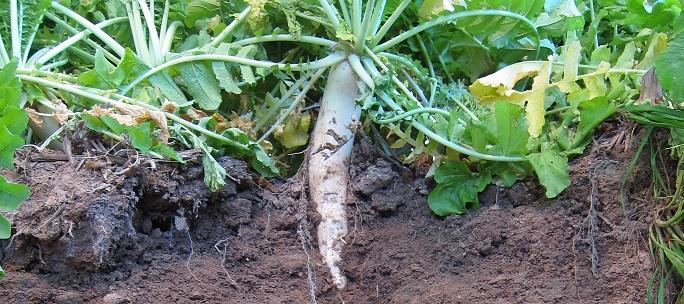
- For Root Penetration/Breaking Compaction: Daikon radish or other brassicas.
- For Mixes: Often, a mix of legumes and grasses offers a broader range of benefits.
- Timing is Key: Plant cover crops at the right time – typically after your main harvest in the fall, allowing them to establish before winter, or in early spring before your cash crops.
- Termination Methods: Decide how you'll terminate your cover crop. Options include mowing, rolling, crimping, or light tillage. Aim to terminate before they go to seed to prevent them from becoming weeds themselves. Allow sufficient time for decomposition before planting your next crop.
- Consider No-Till/Reduced-Till: Maximizing the benefits of cover crops often involves integrating them into a no-till or reduced-tillage system, which further protects soil structure and preserves organic matter.
- Start Small: If you're new to cover crops, begin with a small section of your garden or farm to observe their performance and learn what works best for your specific conditions.
Conclusion: Cultivating a Legacy of Healthy Soil
The decision of why you should plant cover crops ultimately boils down to a commitment to sustainability and a deeper understanding of soil as a living, breathing entity. By actively fostering nitrogen fixation, dramatically improving water retention, and enhancing overall soil health, you're not just growing plants; you're cultivating a legacy of productive, resilient land. Integrating cover crops into your farming or gardening practices is a powerful, cost-effective, and environmentally responsible step towards a future where soil thrives, yields flourish, and our ecosystems are healthier for generations to come. Embrace the secret weapon of cover crops and witness the transformation beneath your feet.
